Effective Home Remedies for Getting Rid of Spiders
Spiders in your home can be a source of anxiety for many people. While they often contribute to controlling other pests, having too many can make your space feel uncomfortable. If you’re looking for effective ways to rid your home of spiders using natural methods, there are several home remedies you can try. Let’s explore some practical strategies that are not only easy to implement but also environmentally friendly.
Essential Oils
Essential oils are powerful natural repellents when it comes to spiders. Many of these oils have strong scents that spiders dislike. Here are a few effective options:
- Peppermint Oil: Mix 10-15 drops of peppermint oil with water in a spray bottle and apply it in areas where spiders typically enter or hide.
- Lavender Oil: Use lavender oil in a similar way, as the scent is pleasant for humans but deters spiders.
- Eucalyptus Oil: Eucalyptus has a strong smell that can drive spiders away when sprayed around your home.
Vinegar Solutions
Vinegar is another excellent remedy to keep spiders at bay. Its strong scent disrupts the spiders’ ability to detect food and shelter.
- White Vinegar Spray: Combine equal parts of water and white vinegar in a spray bottle and spray it in corners, windowsills, and doorways.
- Apple Cider Vinegar: Similar to white vinegar, apple cider vinegar can repel spiders while also eliminating their food sources.
Homemade Spider Traps
If you’re looking to catch spiders instead of just repel them, homemade traps can be very effective. Here’s how you can make one:
- Take a jar or a bowl and place something sweet, such as sugar water or fruit juice, at the bottom.
- Cover the top with plastic wrap and secure it with a rubber band.
- Poke small holes in the plastic wrap so spiders can get in but not escape.
- Place traps in areas where you’ve noticed spider activity.
Citrus Peels
Citrus peels are another natural deterrent against spiders. The smell of citrus is unpleasant for them. Here’s how you can use them effectively:
- Place orange, lemon, or lime peels in corners, windowsills, and any spider-prone areas.
- You can also create a citrus spray by boiling citrus peels in water. Once cooled, strain the liquid and use it in a spray bottle around your home.
Regular Cleaning
Maintaining cleanliness in your home is crucial for preventing spider infestations. Here are some tips to keep in mind:
- Regularly vacuum corners, baseboards, and under furniture to remove webs and eggs.
- Dust surfaces often to eliminate any spider food such as insects.
- Close off potential entry points, such as cracks or gaps in windows and doors.
Block Them Out
Preventing spiders from entering your home is just as important as getting rid of them. Here are steps to create a spider-proof environment:
- Seal windows and doors with weather stripping to close openings.
- Use screens on windows and doors to keep spiders outside.
- Maintain your garden and outdoor environment by keeping plants trimmed and removing debris.
Natural Predators
Another interesting approach is to attract natural predators of spiders into your home. Here are a few species that can help:
- Ladybugs: These insects feed on spider eggs and can help reduce spider populations.
- Praying Mantises: Known as effective hunters, praying mantises will also consume spiders.
With these natural remedies, you can effectively reduce spider presence in your home. Whether you choose to repel or capture them, maintaining a clean environment and using these strategies can help you live spider-free.
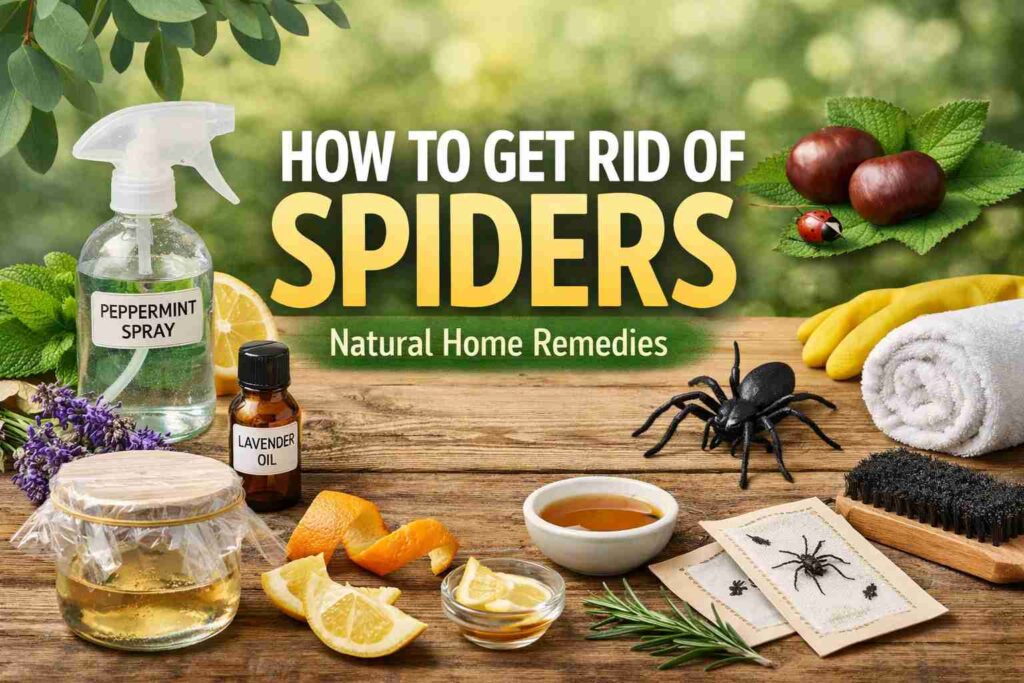
Understanding the Benefits of Natural Spider Deterrents
When it comes to keeping your home free of spiders, natural deterrents offer a safe and effective solution. Not only do they discourage spiders from entering your living space, but they also reduce the use of harsh chemicals that can be harmful to you and your pets. By utilizing simple household items and combining them in various methods, you can create an environment that is less inviting for these critters.
Why Choose Natural Deterrents?
The use of natural spider deterrents has several advantages:
- Safety: Natural ingredients are generally safer for children and pets than chemical pesticides.
- Non-toxic: They help maintain indoor air quality and are environmentally friendly.
- Cost-effective: Many natural deterrents are made from ingredients you already have at home.
- No residual effects: Unlike chemical sprays, natural deterrents do not leave harmful residues.
Popular Natural Spider Deterrents
Several common household items can effectively keep spiders away. Here are some of the most popular options:
- Peppermint Oil: Known for its strong scent, peppermint oil is highly effective at repelling spiders. Mix a few drops with water in a spray bottle and apply it in areas where spiders are often seen.
- Vinegar: A mixture of equal parts vinegar and water can disrupt spider pheromones, making your home less appealing. Spray this solution in corners, windows, and doorways.
- Lemon Juice: The citrus scent is pleasing to us but not to spiders. Combining lemon juice with water creates a refreshing deterrent that can be sprayed in strategic locations.
- Essential Oils: Other essential oils like tea tree oil, eucalyptus, and lavender are also effective. You can experiment with different combinations to find your preferred scent.
- Chestnuts: Placing chestnuts around your home is said to deter spiders. It’s believed that the smell repels them, making it worth a try, especially in fall.
How to Apply Natural Deterrents
When using natural deterrents, consistency is key. Here’s how you can effectively apply them:
- Regular Spraying: Make it a habit to spray your chosen solution every week. Focus on areas such as window sills, door frames, and dark corners.
- Maintain Cleanliness: Spiders are drawn to dirt and clutter. Regularly cleaning your home by vacuuming and dusting can significantly reduce spider presence.
- Seal Entry Points: Check for cracks and gaps in your home’s exterior and seal them with caulk. This act will help prevent spiders from entering at all.
- Strategic Placement: Consider placing natural deterrents, like chestnuts or cotton balls soaked in essential oils, in specific areas prone to spider activity.
Effectiveness of Different Natural Deterrents
Some natural deterrents work better than others depending on your specific situation. Here’s a simple comparison:
| Deterrent | Effectiveness | Longevity |
|---|---|---|
| Peppermint Oil | High | Medium (refresh every week) |
| Vinegar | Medium | High (until residue is cleaned) |
| Lemon Juice | Medium | Medium (refresh as needed) |
| Essential Oils | High | Medium (refresh regularly) |
Experimenting with different natural spider deterrents will help you find the best solution that works in your home. Remember that a combination of methods is often the most effective strategy for keeping spiders at bay. By using these natural remedies, you create a less inviting space for spiders while ensuring a safe and healthy environment for your family.
Common Myths About Spiders and Their Role in the Ecosystem
Spiders have long been a source of fascination and fear for many people. Misunderstanding these creatures can lead to widespread myths that often cloud our perception of their true nature and importance in the environment. Let’s explore some of these common myths about spiders and their essential role in the ecosystem.
Myth 1: All Spiders are Dangerous
One of the most common myths is that all spiders are harmful to humans. While it is true that some spider species possess venom that can be dangerous, the majority of spiders are harmless. In fact, less than 30 species out of nearly 40,000 are known to pose a threat to human health. Many spiders, like the common house spider, are not only safe but also beneficial.
Myth 2: Spiders are Insects
A prevalent misconception is that spiders belong to the insect family. In reality, spiders are arachnids, which means they are closely related to scorpions and ticks. Unlike insects, spiders have eight legs and do not possess antennae. Understanding this difference can help in appreciating the unique characteristics of spiders.
Myth 3: Spiders Live for Only a Few Days
Another myth is that spiders have short lifespans. While some small spiders may live only a few months, many spider species can live for years, with some even reaching over a decade. For instance, tarantulas can live for 15 to 25 years, making the perception of a spider’s lifespan misleading.
Myth 4: Spiders Only Come Out at Night
Many people believe that spiders are nocturnal creatures. However, while some species prefer the cover of darkness, others are active during the day. This includes common garden spiders and wolf spiders, which can be seen hunting or building webs in sunlight. Spiders adapt their behaviors based on their environment and prey availability.
Myth 5: Spiders Are Pests
Spiders are often labeled as pests, but this classification overlooks their ecological benefits. They play a crucial role as natural pest controllers, helping to keep populations of insects and other arthropods in check. Spiders consume significant amounts of insects, thereby reducing the need for chemical pest control methods. By understanding their ecological role, we can view them as allies in maintaining a balanced ecosystem.
Myth 6: If You Find One Spider, There Are Hundreds More
Many people fear finding a spider in their home and assume that it means an infestation. While it can be alarming, the presence of a single spider does not always indicate a large population. Spiders can sometimes wander inside seeking food or shelter, and their presence alone does not typically mean that there are hundreds more hiding nearby.
The Role of Spiders in the Ecosystem
Spiders are integral to maintaining the balance of many ecosystems. Here are some of the key functions they serve:
- Natural Pest Control: Spiders feed on various insects, including mosquitoes, flies, and agricultural pests, helping to regulate their populations.
- Food Source: They are part of the food web, serving as a food source for birds, reptiles, and other predators.
- Biodiversity Indicators: Spiders can indicate the health of an ecosystem. A diverse spider population is often a sign of a healthy environment.
- Soil Health: Their activities contribute to soil health by aiding in the breakdown of organic matter.
The Importance of Education
Educating ourselves and others about spiders can lead to better coexistence. By dispelling myths and understanding their role, we can foster an environment where spiders are respected rather than feared. This not only benefits the spiders but also enhances our environments as they control pest populations and provide ecological balance.
Spiders are fascinating creatures that have been unfairly stigmatized through popular myths. By learning more about them and their essential contributions to the ecosystem, we can develop a more positive relationship with these incredible arachnids. So the next time you see a spider, remember the crucial role it plays in nature, and consider adopting a more understanding and respectful perspective.
How to Prevent Spiders from Entering Your Home
If you’re tired of sharing your home with spiders, you’re not alone. Many people want to keep these eight-legged creatures away. Luckily, there are simple steps you can take to prevent spiders from entering your home, making it a more comfortable place to live. Let’s explore effective strategies to keep these pests at bay.
Understanding Why Spiders Enter Your Home
Spiders generally come indoors searching for food, shelter, or warmth. They are drawn to areas where they can find other insects to eat and places that provide hiding spots. By understanding why spiders prefer certain environments, you can take steps to make your home less appealing.
Seal Entry Points
One of the most effective ways to prevent spiders from entering your home is to seal off entry points. Here’s how:
- Check Windows and Doors: Ensure they close tightly and aren’t compromised by gaps or cracks. Consider installing weather stripping or door sweeps.
- Inspect Vents: Make sure your vents are properly screened. Use mesh screens to block entry.
- Fill Cracks: Use caulk or expanding foam to fill in cracks in walls or foundations. This will block access for spiders and their prey.
Reduce Clutter
Spiders love to hide in cluttered spaces. Keeping your home organized can discourage them from settling in. Follow these tips to reduce clutter:
- Keep Floors Clean: Sweep and vacuum regularly to eliminate hiding spots and potential food sources.
- Declutter: Limit the number of items that can provide hiding places, such as piles of clothes, boxes, and other belongings.
- Store Items Properly: Use airtight bins for storage. This not only keeps your items safe but also prevents spider access.
Maintain Your Outdoor Space
Your outdoor environment can influence spider activity indoors. Here are some actions to take:
- Trim Vegetation: Keep shrubs and trees well-trimmed to reduce proximity to your home.
- Remove Debris: Clear away leaves, wood piles, and other debris that can serve as a hiding place for spiders.
- Use Lighting Wisely: Install yellow outdoor lighting which is less attractive to insects and, consequently, spiders.
Natural Repellents
You can also use natural methods to deter spiders. Here are some effective options:
- Peppermint Oil: Mix water with a few drops of peppermint oil in a spray bottle. Spray this solution around windows and doorways.
- Citrus Products: Spiders typically dislike citrus scents. You can use lemon juice or citrus peels as a natural deterrent.
- Vinegar: A solution of vinegar and water can be sprayed in corners and entry points to repel spiders.
Regular Cleaning
Regularly cleaning your home can significantly reduce spider populations. Here’s how to effectively clean:
- Dust and Vacuum: Pay special attention to dark corners, under furniture, and behind appliances.
- Wash Fabrics: Regularly wash curtains, bedding, and cushions to eliminate any spider eggs or webs.
- Inspect Indoor Plants: Check houseplants for spiders and their webs. Shake plants outside to remove any unwanted guests.
Monitor Outdoor Lights
Outdoor lighting attracts insects, which in turn attract spiders. Here are some tips to manage your outdoor lighting:
- Choose LED Lights: These are less attractive to insects compared to traditional bulbs.
- Use Motion Sensor Lights: This can reduce the duration of light exposure and decrease insect attraction.
By implementing these practical strategies, you can create an environment that discourages spiders from entering your home. Remember that consistency is key; by staying vigilant and making a few lifestyle changes, you can significantly reduce the chances of spiders invading your living space.
Best DIY Solutions to Keep Your Home Spider-Free
Dealing with spiders in your home can be an unsettling experience. While these creatures are generally harmless, finding them in your living space can make anyone uneasy. Luckily, there are effective DIY solutions that can help you keep your home spider-free. Here are some top home remedies to combat these eight-legged visitors.
Natural Repellents
Utilizing natural repellents is one of the most effective ways to deter spiders without the use of harmful chemicals. Here are some common household items that can help:
- Vinegar: Mix equal parts vinegar and water in a spray bottle. Spray this solution in areas where you see spider activity. The strong smell of vinegar will repel them.
- Essential Oils: Certain essential oils, like peppermint, tea tree, and lavender, are known to repel spiders. Mix 10-15 drops of essential oil with water in a spray bottle. Spray around windows, doors, and other entry points.
- Citrus Peels: Spiders dislike the scent of citrus. Placing lemon or orange peels in spider-prone areas can keep them away.
Creating a Clean Environment
Maintaining a clean and tidy home will naturally deter spiders from making it their habitat. Here are some actionable cleaning tips:
- Regular Dusting: Dust and vacuum regularly to remove spider webs and eggs. Pay special attention to corners and under furniture where spiders commonly hide.
- Decluttering: Remove items that may provide shelter for spiders, such as stacks of newspapers, unused boxes, or any clutter around your home.
- Manage Outdoor Areas: Keep the outdoor areas of your home neat. Trim overgrown bushes, remove debris, and avoid leaving piles of firewood near the house.
Physical Barriers
Preventing spiders from entering your home is crucial. Here are some methods to create physical barriers:
- Seal Cracks and Gaps: Inspect your home for cracks in walls, gaps around windows, and spaces where pipes enter the house. Use caulk or weather stripping to seal these openings.
- Install Screens: Add screens to windows and doors that are commonly left open. This will provide a barrier while allowing fresh air to flow.
Using Traps
Setting up traps can help catch and reduce the spider population in your home. Below are some effective options:
- Sticky Traps: Place glue traps in corners or areas where you’ve previously seen spiders. These traps can catch spiders, preventing them from wandering around.
- DIY Traps: You can create a simple trap using a jar. Smear the inside with a bit of cooking oil and place it in spider-prone areas. When spiders crawl in, they won’t be able to climb out.
Herbal Solutions
Herbs can be surprising allies in your quest to keep spiders away. Consider these options:
- Mint Plants: Planting mint around your home can naturally repel spiders. You can also use mint essential oil as mentioned earlier.
- Rosemary: This herb is known to deter spiders. Dry some rosemary leaves and place them in strategic locations, especially in corners.
Regular Maintenance
Once you’ve employed these DIY solutions, regular maintenance is critical to ensure enduring success in keeping your home spider-free. Here are a few tips:
- Monthly Deep Cleaning: Set aside time each month for a thorough cleaning, ensuring that all spider-prone areas are addressed.
- Yearly Inspection: Conduct a yearly inspection of your home’s exterior for new cracks or areas of concern that might allow spiders entry.
By combining these natural remedies and maintenance practices, you can create an environment that is less inviting to spiders. Remember, the goal is not to eradicate spiders completely, as they can benefit your home by controlling other pests. Instead, focus on managing their presence so that you can enjoy a more serene living space.
Conclusion
Getting rid of spiders using home remedies can be both effective and environmentally friendly. By implementing natural spider deterrents such as essential oils, vinegar solutions, and even diatomaceous earth, you can create a less inviting space for these eight-legged visitors. Understanding the benefits of these remedies not only helps you maintain a spider-free home but also promotes a more sustainable approach to pest control.
It’s important to debunk common myths about spiders and recognize their vital role in the ecosystem. While they can be unsettling, spiders play a crucial part in controlling other pest populations. This highlights why finding a balance is essential; rather than exterminating them entirely, we can manage their presence with natural methods.
Preventing spiders from entering your home begins with simple steps. Sealing cracks, removing clutter, and ensuring outdoor areas are maintained significantly reduce the chances of spiders making their way indoors. Furthermore, employing DIY solutions like maintaining clean spaces and utilizing natural repellents can fortify your defenses against spider infestations.
By integrating these strategies, you can create a welcoming home for yourself while minimizing disruptions caused by unexpected guests. Combining knowledge about effective remedies with preventive measures fosters a harmonious living environment. Embracing these approaches not only protects your home but also respects the role of these creatures in our world. So, take charge and enjoy a spider-free home through natural, DIY methods that truly work.