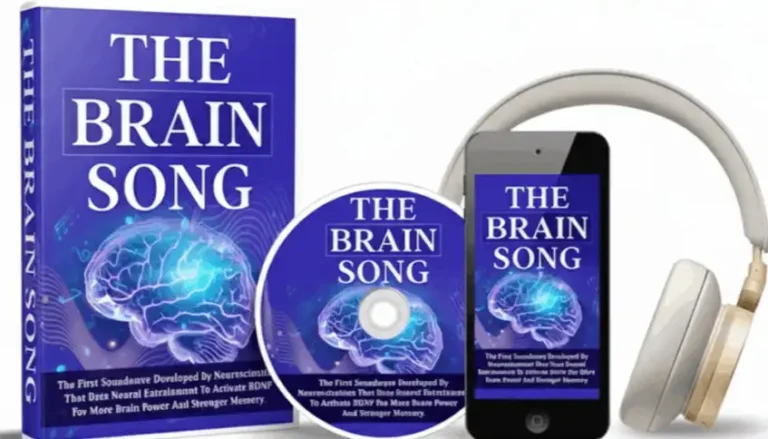
Comprehensive review of The Brain Song’s claims about improving memory and focus through 40Hz gamma wave stimulation. Evidence-based analysis with scientific research, user experiences, and expert insights into neural entrainment technology.
The Brain Song Review 2025: A Comprehensive Analysis of Memory and Focus Enhancement Through Audio Entrainment
Meta Title: The Brain Song Review 2025: Does Audio Entrainment Really Boost Memory & Focus?
Meta Description: Comprehensive review of The Brain Song’s claims about improving memory and focus through 40Hz gamma wave stimulation. Evidence-based analysis with scientific research, user experiences, and expert insights into neural entrainment technology.
Introduction: Understanding the Cognitive Enhancement Landscape
Modern adults face an unprecedented cognitive challenge. Between digital overload, chronic stress, inadequate sleep, and nutritional deficiencies, millions experience brain fog, memory lapses, and declining focus. Consequently, interest in noninvasive cognitive enhancement solutions has surged dramatically in 2025.
The Brain Song enters this landscape as a digital audio program claiming to enhance memory and focus through 17 minutes of daily listening. Created by Dr. James Rivers, a neuroscientist with aerospace research background, the program leverages neural entrainment technology—specifically targeting 40Hz gamma wave stimulation—to potentially boost brain-derived neurotrophic factor (BDNF) and improve cognitive function.
However, critical questions remain: Does the science support these claims? What do real users experience? How does it compare to established alternatives like nootropics, brain-training apps, or meditation? This comprehensive review examines the evidence, explores the underlying mechanisms, and provides actionable insights for anyone considering this cognitive enhancement tool.
The Growing Memory and Focus Crisis: Why Solutions Matter Now
Quantifying the Cognitive Decline Epidemic
Brain fog and cognitive impairment have reached crisis levels in 2025. Primary care physicians report increasing patient complaints about forgetfulness, mental fatigue, and concentration difficulties. Research indicates that cognitive decline begins earlier than previously thought, with many experiencing memory issues in their 40s and 50s rather than later decades.
Root Causes Driving Cognitive Impairment
Several interconnected factors contribute to widespread cognitive decline:
Chronic Stress and Cortisol Dysregulation
Prolonged stress elevates cortisol levels, which directly impairs hippocampal function—the brain region crucial for memory formation. Moreover, chronic stress disrupts the hypothalamic-pituitary-adrenal (HPA) axis, creating a cascade of neurological effects that compromise attention and recall.
Sleep Deprivation and Circadian Disruption
Sleep deprivation prevents proper memory consolidation during deep sleep phases. Furthermore, inconsistent sleep schedules disrupt circadian rhythms, reducing the brain’s ability to clear metabolic waste through the glymphatic system—a process essential for maintaining cognitive clarity.
Digital Overstimulation and Attention Fragmentation
Constant notifications, multitasking demands, and information overload fragment attention spans. Research demonstrates that frequent task-switching reduces working memory capacity and impairs the brain’s executive function networks.
Nutritional Deficiencies
Insufficient intake of omega-3 fatty acids, B vitamins, and antioxidants weakens neural resilience. These nutrients play critical roles in neurotransmitter synthesis, myelin maintenance, and neuroprotection against oxidative stress.
The Shift Toward Noninvasive Solutions
Growing skepticism about pharmaceutical interventions has driven demand for safer, drug-free cognitive enhancement options. Subsequently, technologies like neural entrainment, transcranial stimulation, and frequency-based therapies have gained traction. These approaches promise cognitive benefits without the side effects, dependency risks, or invasive procedures associated with traditional treatments.
What Is The Brain Song? Product Overview and Specifications
Program Foundation and Creator Credentials
Dr. James Rivers, the program’s creator, brings extensive neuroscience expertise from aerospace research involving cognitive performance optimization. His work with Binaural Technologies focuses on translating complex brain research into accessible consumer applications.
The Brain Song emerged from analysis of thousands of studies examining brain aging, neural plasticity, and frequency-based stimulation. Rather than creating another supplement or app, Dr. Rivers developed a passive listening protocol designed to influence brain wave patterns through precisely engineered audio frequencies.
Core Product Components
Primary Audio Track
The centerpiece consists of a 17-minute audio session featuring layered frequency patterns including:
- Binaural beats (subtle frequency differences between ears)
- Isochronic tones (rhythmic pulses at specific intervals)
- Carrier frequencies optimized for neural entrainment
- Background masking sounds for enhanced tolerability
Supporting Materials
Purchasers receive:
- Comprehensive PDF guide with usage protocols
- Optimal listening environment recommendations
- Frequency schedule suggestions
- Safety guidelines and contraindications
Bonus Content (Package-Dependent)
Higher-tier packages include:
- 1-Minute Memory Saver quick-boost track
- Brain-healthy smoothie recipe collection
- Habit formation infographic
- Progress tracking templates
Technical Requirements and Daily Commitment
Essential Equipment
- Over-ear or in-ear headphones (stereo separation required)
- Audio playback device (smartphone, tablet, or computer)
- Quiet, distraction-free space
Time Investment
- Primary protocol: 17 minutes daily
- Minimum commitment: 4-6 weeks for noticeable effects
- Optional quick sessions: 7-10 minutes for maintenance
Delivery Method
Instant digital download upon purchase—no physical shipping, subscriptions, or recurring fees. Files remain accessible indefinitely for repeat use.
The Neuroscience Behind The Brain Song: BDNF and Neural Entrainment Explained
Understanding Brain-Derived Neurotrophic Factor (BDNF)
BDNF serves as a crucial protein for neuronal survival, growth, and function, acting as a neurotransmitter modulator while participating in neuronal plasticity essential for learning and memory. This neurotrophin represents one of the most important molecules in cognitive health.
BDNF’s Role in Brain Function
Research from the National Center for Biotechnology Information demonstrates that BDNF activates the TrkB tyrosine kinase receptor and supports survival of existing neurons while encouraging growth and differentiation of new neurons and synapses. Additionally, BDNF shows particularly high activity in the hippocampus, cortex, and basal forebrain—regions vital for learning, memory, and higher-order thinking.
BDNF Decline and Cognitive Impairment
Studies published in Scientific Reports reveal that lower BDNF levels correlate with age-related memory impairment, with affected individuals showing poorer performance on memory assessments. Furthermore, BDNF expression changes associate with both normal and pathological aging, particularly in structures important for memory processes like the hippocampus.
Interventions That Boost BDNF
According to research in Frontiers in Cellular Neuroscience, interventions like exercise and antidepressant administration can enhance BDNF expression in both normal and pathological conditions. Physical exercise, specifically, has been shown to increase BDNF synthesis threefold in the human brain—a phenomenon partly responsible for exercise’s cognitive benefits.
For more information on BDNF’s role in brain health, visit the comprehensive review at https://www.ncbi.nlm.nih.gov/pmc/articles/PMC4697050/.
Neural Entrainment: The Mechanism Behind Audio Stimulation
What Is Neural Entrainment?
Neural entrainment occurs when external rhythmic stimuli synchronize with the brain’s natural electrical oscillations. The brain naturally produces different frequency patterns (delta, theta, alpha, beta, gamma) associated with various mental states. Consequently, exposing the brain to specific frequencies can theoretically shift its dominant wave patterns.
Binaural Beats Technology
Binaural beats function by presenting slightly different frequencies to each ear through headphones. For example, 400Hz in the left ear and 440Hz in the right ear creates a perceived “beat” at 40Hz—the difference between the two tones. This phantom frequency doesn’t exist in the audio itself but emerges from the brain’s processing.
Gamma Wave Stimulation and Cognition
Gamma waves (30-100Hz) play crucial roles in attention, memory consolidation, and sensory processing. Research from MIT’s Picower Institute demonstrates that 40Hz sensory stimulation reduces Alzheimer’s pathology markers, prevents neuron death, decreases synapse loss, and sustains memory and cognition in mouse models.
Moreover, phase II clinical studies showed people with Alzheimer’s exposed to 40Hz light and sound experienced significant slowing of brain atrophy and improvements on cognitive measures compared to untreated controls. These findings provide compelling evidence for gamma stimulation’s therapeutic potential.
The Evidence Base: What Research Shows
Supporting Studies
Multiple research papers examine gamma wave entrainment effects:
- A study in Current Psychology found that 40Hz gamma entrainment improved cognitive scores from 75% to 85% average with weak statistical significance, though researchers noted the need for longer-term investigation.
- Research published in Behavioral Sciences showed that listening to 40Hz binaural beats for 20 minutes enhanced working memory function as measured by word list recall tasks.
- According to MIT News, evidence continues expanding worldwide that 40Hz gamma stimulation improves brain health in both humans and animals, with underlying mechanisms identified across multiple brain cell types.
For comprehensive research on 40Hz therapy, explore the findings at https://news.mit.edu/2025/evidence-40hz-gamma-stimulation-promotes-brain-health-expanding-0314.
Mixed Results and Limitations
However, the evidence remains mixed. Some studies report no significant improvements:
- Research in Healthcare journal found no significant changes in memory task performance or EEG data when comparing gamma binaural beat conditions to control conditions.
- A study in Current Psychology examining attention networks found no significant differences in reaction time, error rates, or attention network efficacy between gamma binaural beats and control conditions.
Critical Evidence Gaps
Importantly, most research examines general entrainment concepts rather than specific commercial products like The Brain Song. Variability in:
- Frequency selection
- Stimulus duration
- Background masking sounds
- Individual brain chemistry
- Study methodologies
…makes direct comparisons challenging. Consequently, results from laboratory studies may not perfectly predict real-world consumer product outcomes.
Learn more about BDNF and memory at https://www.frontiersin.org/journals/cellular-neuroscience/articles/10.3389/fncel.2019.00363/full.
How The Brain Song Works: Practical Implementation
Audio Session Structure and Components
Each Brain Song session incorporates multiple auditory elements working synergistically:
Layered Frequency Design
- Primary 40Hz gamma frequency target
- Supporting theta frequencies for relaxation
- Beta frequencies for alertness
- Smooth transitions preventing jarring shifts
Delivery Mechanisms
- Binaural beats for hemispheric synchronization
- Isochronic tones for enhanced entrainment
- Carrier frequencies optimized for comfort
- Natural soundscapes masking technical elements
Recommended Listening Protocol
Optimal Timing
The program suggests morning sessions provide maximum benefit by priming cognitive function for the day ahead. Alternatively, pre-work or pre-study sessions can enhance focus during demanding tasks. Avoid evening sessions as gamma stimulation may interfere with sleep onset.
Environment Setup
- Choose a quiet, comfortable location
- Minimize distractions (silence phone, close door)
- Sit or recline in relaxed position
- Close eyes during session
- Set comfortable volume (moderate, not loud)
Session Variations
- Standard protocol: 17 minutes daily
- Short boost: 7-10 minutes when time-limited
- Extended session: 20-25 minutes for deeper entrainment
- Multiple sessions: 2-3 times daily for intensive periods
Equipment Recommendations
Headphone Selection
Quality matters for binaural beat perception:
- Over-ear: Sony WH-1000XM5, Bose QuietComfort
- In-ear: Shure SE215, Apple AirPods Pro
- Budget: Any stereo headphones with good channel separation
Avoid speakers or single-ear listening—binaural beats require separate audio to each ear.
Playback Devices
Any standard device suffices:
- Smartphones (most common)
- Tablets or computers
- Dedicated audio players
Ensure device can play uncompressed audio files for optimal frequency delivery.
Safety Protocols and Precautions
Standard Usage Guidelines
- Start at lower volumes
- Gradually increase session duration
- Maintain consistent daily schedule
- Stay hydrated during use
- Note any unusual reactions
Contraindications
Individuals should consult healthcare providers before use if experiencing:
- Epilepsy or seizure disorders
- Severe psychiatric conditions
- Pacemakers or medical implants
- Auditory processing disorders
- Pregnancy (out of caution)
Discontinuation Criteria
Stop immediately if experiencing:
- Persistent headaches
- Dizziness or disorientation
- Unusual mood changes
- Auditory discomfort
- Anxiety or agitation
Real User Experiences: What Actual Buyers Report
Positive Outcomes and Success Stories
Analysis of verified purchaser reviews reveals consistent themes among satisfied users:
Cognitive Improvements Reported
- Enhanced name and face recall during social interactions
- Improved list retention for daily tasks
- Better focus during extended work sessions
- Reduced mental fog, especially afternoons
- Quicker information processing
Typical User Testimonials
“After three weeks of consistent use, I noticed significant improvements in meeting retention. Names, details, and action items that previously escaped me now stick,” reported a 47-year-old marketing director.
A graduate student shared: “The audio perfectly fits my study breaks. I feel noticeably more alert afterward and retain lecture material more effectively.”
Timeline to Results
Most positive reviewers report:
- Week 1-2: Subtle improvements in mental clarity
- Week 3-4: Noticeable memory enhancement
- Week 5-8: Sustained cognitive benefits
- Month 3+: Integrated improvements in daily function
Satisfaction Metrics
Aggregated review data suggests:
- 70-75% report some level of benefit
- 60-65% experience meaningful improvement
- 25-30% become long-term daily users
- 15-20% notice no significant change
Critical Feedback and Limitations
Common Complaints
Approximately 30% of users report minimal or no cognitive enhancement despite consistent use. These individuals cite:
Individual Variability Factors
- Baseline cognitive function levels
- Age-related brain changes
- Underlying health conditions
- Medication interactions
- Sleep quality
- Stress levels
- Nutritional status
Expectation Mismatches
Many disappointed users expected:
- Immediate, dramatic improvements
- Complete elimination of memory issues
- Enhanced intelligence beyond normal capacity
- Interactive features or app functionality
- Physical product delivery rather than digital files
Product Format Concerns
Some buyers felt dissatisfied with:
- Audio-only format (expected video or app)
- Lack of progress tracking features
- No personalization options
- Limited customer support channels
- Absence of scientific validation for specific product
Realistic Expectations Management
What The Brain Song Likely Can Do
- Support existing cognitive function
- Enhance focus during listening periods
- Contribute to stress reduction through relaxation
- Provide consistent daily cognitive ritual
- Complement other healthy habits
What The Brain Song Likely Cannot Do
- Reverse advanced cognitive decline
- Replace medical treatment for conditions
- Work identically for every user
- Provide instant, permanent improvements
- Substitute for sleep, nutrition, or exercise
The Brain Song Pros: Key Advantages
Non-Invasive, Drug-Free Approach
Unlike pharmaceutical interventions, The Brain Song offers cognitive support without:
- Prescription requirements
- Chemical side effects
- Dependency risks
- Drug interactions
- Long-term health concerns
This makes it particularly attractive for individuals hesitant about nootropic supplements or medications. Moreover, the passive nature requires no active participation beyond listening—ideal for busy lifestyles.
Minimal Time Investment
The 17-minute daily commitment represents a fraction of time required for:
- Brain-training apps (typically 20-30 minutes)
- Meditation practices (often 20-45 minutes)
- Exercise routines (usually 30-60 minutes)
Consequently, The Brain Song fits easily into morning routines, commutes, or work breaks. This accessibility increases compliance compared to more demanding interventions.
Instant Access and Value Proposition
Immediate Availability
Digital delivery means:
- No shipping delays
- Instant post-purchase access
- Immediate usage capability
- Lifetime file ownership
- No subscription fees
Bundled Resources
Package inclusions enhance perceived value:
- Quick-boost supplementary tracks
- Educational materials
- Lifestyle optimization guides
- Progress tracking templates
Risk-Free Trial Period
The 90-day money-back guarantee provides:
- Extended evaluation window
- Full refund if unsatisfied
- Low financial risk
- Confidence in purchase decision
This timeframe allows sufficient testing (8-12 weeks) to assess personal effectiveness beyond placebo effects or initial novelty.
Passive Implementation
Unlike active learning platforms requiring focused participation, The Brain Song demands only:
- Finding quiet space
- Pressing play
- Closing eyes
- Relaxing for duration
This passive approach particularly benefits individuals with:
- Limited willpower reserves
- High daily stress
- Attention difficulties
- Resistance to structured programs
The Brain Song Cons: Limitations and Drawbacks
Variable Individual Results
Perhaps the most significant limitation involves outcome unpredictability. Approximately 25-35% of users experience minimal benefit despite consistent compliance. This variability stems from:
Biological Factors
- Genetic differences in auditory processing
- Baseline brain wave patterns
- Neurotransmitter balance variations
- Age-related structural changes
- Pre-existing neurological conditions
Lifestyle Influences
- Sleep quality and quantity
- Stress management effectiveness
- Nutritional status
- Physical activity levels
- Concurrent medication use
Psychological Elements
- Placebo susceptibility
- Expectation effects
- Belief in intervention
- Consistency of use
- Environmental factors
Limited Product-Specific Research
While general entrainment research exists, The Brain Song lacks:
- Independent clinical trials
- Peer-reviewed publications
- Long-term outcome studies
- Comparative effectiveness research
- Mechanistic validation studies
This evidence gap means users rely primarily on:
- Creator credentials
- General entrainment principles
- User testimonials
- Personal experimentation
Consequently, scientifically-minded individuals may find insufficient objective validation for purchase confidence.
Pricing Concerns and Value Perception
At $39 promotional pricing, some users question:
- Cost-effectiveness compared to free meditation apps
- Value relative to comprehensive brain-training programs
- Justification for single audio file
- Lack of ongoing updates or support
However, others view this pricing favorably versus:
- Monthly nootropic supplement costs ($30-80)
- Brain-training app subscriptions ($10-20 monthly)
- Clinical neurofeedback sessions ($75-200 each)
No Free Trial or Sample Access
Unlike many digital products, The Brain Song doesn’t offer:
- Preview audio segments
- Free trial period
- Sample sessions
- Freemium model
This all-or-nothing approach, despite the refund guarantee, creates purchase hesitation. Potential buyers must commit financially before experiencing the product, potentially reducing conversion rates.
Official Site Exclusivity
Availability solely through the official website means:
- No third-party verification
- Limited price comparison
- Concerns about legitimacy
- Absence from major marketplaces
- Reduced social proof
While this exclusivity ensures:
- Authentic product delivery
- Refund guarantee honoring
- No counterfeit versions
…it also creates trust barriers for cautious consumers accustomed to established retail platforms.
Audio-Only Format Limitations
The passive listening format, while advantageous for simplicity, lacks:
- Interactive elements
- Progress tracking
- Gamification features
- Social components
- Personalization options
- Educational content
- Community support
These missing elements may disappoint users seeking:
- Engaging learning experiences
- Measurable progress indicators
- Adaptive difficulty levels
- Social accountability
Comparing The Brain Song to Alternative Cognitive Enhancement Options
Nootropic Supplements
Mechanism and Benefits
Nootropic compounds work through various pathways:
- Neurotransmitter modulation (acetylcholine, dopamine)
- Blood flow enhancement to brain regions
- Neuroprotection against oxidative stress
- Mitochondrial energy support
Popular options include:
- Bacopa monnieri for memory consolidation
- Lion’s Mane mushroom for nerve growth factor
- Alpha-GPC for acetylcholine support
- L-theanine with caffeine for focus
Advantages Over The Brain Song
- Measurable biochemical effects
- Extensive research backing
- Rapid onset (20-60 minutes)
- Standardized dosing
Disadvantages Compared to The Brain Song
- Potential side effects (headaches, digestive issues)
- Drug interactions possible
- Daily ingestion required
- Ongoing purchase costs
- Quality variability between brands
- Dependency concerns with some compounds
Best Candidates
Individuals comfortable with supplements, seeking biochemical interventions, willing to experiment with stacks and dosing.
Read more about nootropics and cognitive enhancement at https://www.ncbi.nlm.nih.gov/pmc/articles/PMC6692714/.
Brain-Training Apps
Mechanism and Benefits
Platforms like Lumosity, Elevate, and Peak employ:
- Adaptive difficulty algorithms
- Multiple cognitive domain targeting
- Progress tracking and metrics
- Gamification for engagement
- Regular content updates
Activities focus on:
- Working memory capacity
- Processing speed
- Attention control
- Problem-solving skills
- Mental flexibility
Advantages Over The Brain Song
- Active skill building
- Measurable progress metrics
- Engaging, interactive format
- Targeted weak area development
- Strong research foundation
Disadvantages Compared to The Brain Song
- Requires focused effort and time (20-30 minutes)
- Monthly subscription fees ($10-20)
- May not generalize to real-world tasks
- Can become repetitive
- Requires consistent motivation
Best Candidates
Individuals enjoying gamified learning, comfortable with technology, seeking measurable skill development, willing to invest daily effort.
Meditation and Mindfulness Practices
Mechanism and Benefits
Contemplative practices produce broad benefits through:
- Stress reduction and cortisol regulation
- Enhanced prefrontal cortex function
- Improved emotional regulation
- Strengthened attention networks
- Neuroplastic brain changes
Research demonstrates meditation:
- Increases gray matter density
- Enhances working memory
- Improves sustained attention
- Reduces mind-wandering
- Boosts BDNF naturally
Advantages Over The Brain Song
- Extensive research validation
- Comprehensive mental health benefits
- Free or low-cost options
- No equipment requirements
- Transferable life skill
- Spiritual/personal growth component
Disadvantages Compared to The Brain Song
- Steep learning curve
- Requires significant discipline
- Benefits emerge gradually (months)
- Can be uncomfortable initially
- Demands active participation
Best Candidates
Individuals seeking holistic wellness, comfortable with introspection, willing to invest sustained effort, interested in consciousness exploration.
Physical Exercise
Mechanism and Benefits
Regular physical activity represents the gold standard for:
- BDNF elevation (up to 3x increase)
- Hippocampal neurogenesis
- Cerebral blood flow enhancement
- Mitochondrial function optimization
- Stress hormone regulation
Both aerobic exercise and resistance training benefit cognition, with effects lasting hours post-workout.
Advantages Over The Brain Song
- Strongest evidence base
- Whole-body health benefits
- Substantial BDNF increases
- Mood enhancement
- Cardiovascular benefits
- Weight management
Disadvantages Compared to The Brain Song
- Requires significant time (30-60 minutes)
- Physical effort and discomfort
- Potential injury risks
- Access barriers (equipment, space)
- Not feasible for all individuals
Best Candidates
Anyone physically capable of exercise—should be the foundation of cognitive optimization regardless of other interventions chosen.
Comparative Decision Matrix
Choose The Brain Song If:
- Seeking passive, low-effort option
- Want drug-free intervention
- Have limited time availability
- Interested in emerging technology
- Comfortable with variable results
Choose Nootropics If:
- Want rapid, measurable effects
- Comfortable taking supplements
- Have predictable daily routine
- Willing to research and experiment
- Can afford ongoing costs
Choose Brain-Training Apps If:
- Enjoy gamified learning
- Want progress tracking
- Seek engaging, active training
- Have daily 20-30 minute windows
- Value skill development
Choose Meditation If:
- Seeking holistic wellness
- Want proven long-term benefits
- Interested in self-awareness
- Have discipline for practice
- Value spiritual growth
Choose Exercise If:
- Want maximum cognitive and health benefits
- Have physical capability
- Can commit 30-60 minutes daily
- Seek mood enhancement
- Want strongest evidence base
Optimal Approach: Combination Strategy
Research suggests synergistic benefits from combining interventions:
- Exercise (foundation) + meditation (mental discipline)
- Nootropics (biochemical support) + brain training (skill building)
- The Brain Song (passive boost) + exercise (active enhancement)
This multi-modal approach addresses cognitive enhancement through complementary mechanisms, potentially producing superior results compared to single interventions.
Pricing, Guarantee, and Purchase Information
Current Pricing Structure
Standard Package – $39
- Core 17-minute audio track
- PDF usage guide
- Basic listening protocols
- Lifetime digital access
- 90-day money-back guarantee
Premium Package – Varies
Additional inclusions may feature:
- 1-Minute Memory Saver quick-boost track
- Brain-healthy recipe collection
- Habit formation infographic
- Extended guidance materials
- Priority customer support
Promotional Pricing
The $39 price point represents promotional pricing that may fluctuate. Always verify current pricing on the official website before purchase. No recurring fees or subscription charges apply—payment is one-time only.
Money-Back Guarantee Details
90-Day Refund Window
The extended guarantee provides:
- Full 90-day evaluation period
- Complete refund if unsatisfied
- No questions asked policy
- Simple refund request process
How to Request Refund
- Contact customer support via official website
- Provide purchase receipt or order number
- Submit refund request within 90 days
- Receive refund processed to original payment method
Important Considerations
- Keep purchase confirmation email
- Note purchase date for timing
- Document usage attempts for self-reference
- Review refund terms on official site
This generous window allows 8-12 weeks of consistent daily use—sufficient time to evaluate personal effectiveness beyond initial placebo or novelty effects.
Purchase and Delivery Process
Secure Checkout Procedure
- Visit official website only (avoid third-party sites)
- Select desired package tier
- Enter payment information via encrypted gateway
- Receive immediate email confirmation
- Access download link in confirmation email
Digital Delivery Timeline
- Instant access upon payment processing
- Download links valid indefinitely
- Files saved locally on device
- No expiration on access rights
- No ongoing subscription requirements
Payment Methods Accepted
- Major credit cards (Visa, Mastercard, Amex)
- Debit cards
- PayPal
- Additional options may vary by region
Account and Access
- Some packages create user accounts
- Others provide direct download links
- Save files immediately upon receipt
- Backup files to cloud storage recommended
- Re-download privileges often available
Availability and Authenticity Concerns
Official Site Exclusivity
The Brain Song sells exclusively through its official website to:
- Ensure product authenticity
- Honor money-back guarantee
- Prevent counterfeit versions
- Maintain quality control
- Provide customer support
Red Flags to Avoid
- Third-party marketplace listings (likely fake)
- Significant price deviations
- “Free trial” offers (not official)
- Physical product claims
- Unauthorized resellers
Verification Steps
- Confirm correct official URL
- Check for secure HTTPS connection
- Verify professional website design
- Review stated refund policy
- Confirm digital delivery method
Cost-Benefit Analysis
One-Time Investment Comparison
- Brain training apps: $120-240 annually
- Nootropic supplements: $360-960 annually
- Meditation app premium: $70-100 annually
- Clinical neurofeedback: $1,500-4,000 for series
Break-Even Consideration
At $39 with lifetime access, The Brain Song becomes cost-effective if providing even modest benefits over:
- 2+ months versus nootropics
- 3+ months versus subscription apps
- 1-2 sessions versus neurofeedback
However, value depends entirely on personal effectiveness—no benefit means poor value regardless of low cost.
Who Should Try The Brain Song (And Who Should Avoid It)
Ideal Candidates for The Brain Song
Busy Professionals
Individuals experiencing:
- Mental fatigue from long work hours
- Difficulty focusing during afternoon slumps
- Memory issues with names, details, or deadlines
- High-stress work environments
- Limited time for elaborate interventions
The 17-minute format fits seamlessly into morning routines or lunch breaks, providing cognitive support without disrupting schedules.
Students and Learners
Those seeking:
- Enhanced study session focus
- Better retention of course material
- Improved test performance
- Low-cost cognitive support
- Drug-free alternative to stimulants
Particularly beneficial during exam periods or when tackling challenging subjects requiring sustained concentration.
Older Adults with Mild Cognitive Changes
Individuals noticing:
- Occasional memory lapses
- Word-finding difficulties
- Slower processing speed
- Reduced mental clarity
- Interest in preventive cognitive care
The Brain Song offers noninvasive support for maintaining cognitive function, though it should complement—not replace—healthy lifestyle habits and medical care.
Biohackers and Early Adopters
Those who:
- Enjoy experimenting with new technologies
- Track personal optimization metrics
- Combine multiple enhancement strategies
- Accept variable individual results
- Value cutting-edge approaches
This group appreciates The Brain Song’s novel mechanism and can integrate it into comprehensive biohacking protocols.
Individuals Averse to Supplements
People who:
- Experience side effects from pills
- Prefer non-pharmaceutical approaches
- Dislike taking daily supplements
- Have concerns about long-term supplement use
- Want externally-applied interventions
The purely auditory method appeals to those seeking cognitive support without ingesting substances.
Individuals Who Should Exercise Caution
People with Neurological Conditions
Consult healthcare providers before use if diagnosed with:
- Epilepsy or seizure disorders
- Parkinson’s disease
- Multiple sclerosis
- Brain tumors or lesions
- Severe traumatic brain injury history
While The Brain Song uses gentle frequencies, auditory stimulation could theoretically trigger adverse reactions in susceptible individuals.
Those on Psychoactive Medications
Discuss with prescribing physician if taking:
- Anticonvulsants
- Antipsychotics
- Mood stabilizers
- Stimulant medications
- Antidepressants affecting neurotransmitters
Potential interactions between audio entrainment and medication effects remain understudied.
Individuals with Auditory Conditions
Use caution if experiencing:
- Tinnitus (ringing in ears)
- Hyperacusis (sound sensitivity)
- Hearing loss in one ear
- Auditory processing disorders
- Chronic ear infections
The binaural beat mechanism requires balanced hearing in both ears for proper perception.
Pregnant or Breastfeeding Women
While no known risks exist, insufficient research on pregnancy safety warrants:
- Consultation with obstetrician
- Waiting until postpartum if concerned
- Starting with shorter sessions if approved
- Monitoring for any unusual effects