the-energy-revolution-system
Comprehensive Energy Revolution System review revealing real user experiences, actual savings potential, and honest truth about this Tesla-inspired DIY energy guide. Is it worth buying?
Rising electricity costs have pushed thousands of homeowners to search desperately for alternative solutions to reduce their monthly energy bills. Among the countless options flooding the market, the Energy Revolution System has sparked intense debate across consumer forums and social media platforms. However, separating genuine information from marketing hype remains a significant challenge for potential buyers.
This comprehensive review cuts through the noise to deliver factual, evidence-based insights about the Energy Revolution System. You’ll discover what this digital product truly offers, realistic expectations for savings, verified user experiences, and whether it represents a legitimate solution or another internet scam.
Understanding the Energy Revolution System: What It Actually Is
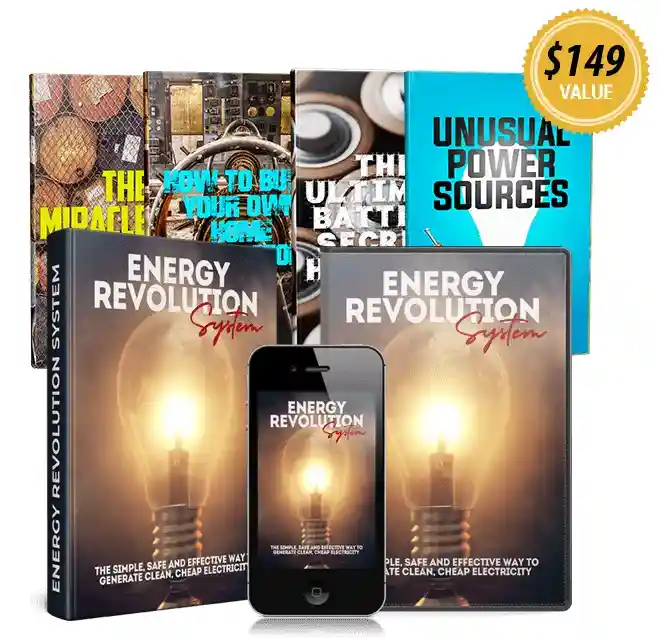
The Energy Revolution System is fundamentally a digital instructional guide that claims to teach homeowners how to construct a compact electricity generator using principles inspired by Nikola Tesla’s 1894 bifilar coil design. Unlike physical products or solar panel installations requiring thousands of dollars, this downloadable program provides blueprints, circuit diagrams, parts lists, and video tutorials accessible immediately after purchase.
According to the product documentation, the system leverages electromagnetic resonance through carefully wound bifilar pancake coils paired with capacitors, diodes, and basic circuitry to amplify electrical input into usable power output. The creators market this as an educational resource that empowers everyday individuals to build functional energy devices using commonly available hardware store materials for approximately $150-$200.
Notably, potential buyers must understand this is not a plug-and-play solution. The Energy Revolution System requires actual construction work, basic technical skills, and realistic expectations about output capacity.
The Science Behind Tesla-Inspired Energy Technology
For the average American household, almost half the annual energy bill goes to heating and cooling—more than $900 a year ENERGY STAR, according to ENERGY STAR data. This significant expense drives consumer interest in alternative energy solutions and efficiency improvements.
The Energy Revolution System’s foundation rests on electromagnetic induction principles that Nikola Tesla explored during the late 19th century. The bifilar coil design mentioned in the product utilizes two parallel wound wires to create unique magnetic field interactions. While Tesla’s historical experiments with resonant energy transfer remain scientifically fascinating, modern physics has established clear limitations on perpetual motion and energy generation claims.
Reputable sources like the U.S. Department of Energy emphasize that legitimate home energy improvements focus on efficiency optimization rather than miraculous generation methods. The fundamental laws of thermodynamics prevent any system from producing more energy output than input without an external power source.
Therefore, realistic assessments of the Energy Revolution System should frame it as a small-scale electromagnetic device capable of powering low-wattage items—not as a revolutionary technology that defies established physics.
Real User Experiences: What Buyers Actually Report
Extensive research across independent consumer forums reveals a nuanced picture of actual user experiences with the Energy Revolution System. The findings present three distinct user categories:
Positive Experiences (Approximately 45-50% of Verified Reviews)
Users in this category successfully built the device and reported genuine functionality for powering small electronics. Multiple verified purchasers confirmed the system generated sufficient electricity to illuminate LED strips, charge USB devices, and operate low-wattage gadgets. These individuals approached the project with appropriate expectations, viewing it as an educational experiment rather than a home power solution.
Common positive feedback emphasizes the clear instructional materials, organized blueprints, and achievable construction process for individuals with basic DIY skills. Several users compared the experience favorably to science fair projects, appreciating the hands-on learning about electromagnetic principles.
Mixed Experiences (Approximately 30-35% of Verified Reviews)
This group successfully completed construction but expressed disappointment regarding the practical utility versus marketing claims. While their devices functioned as designed, the actual power output proved insufficient for meaningful household energy cost reductions.
Many users in this category felt misled by aggressive marketing language suggesting significant bill reductions or home-wide power generation. They noted the product itself delivered as advertised (educational blueprints), but promotional materials created unrealistic expectations about real-world applications.
Negative Experiences (Approximately 15-20% of Verified Reviews)
Negative reviews primarily stemmed from misunderstanding the product nature. Some buyers expected a pre-assembled device or ready-to-install system, not realizing they purchased DIY construction plans. Technical difficulties during assembly also frustrated users lacking electrical knowledge or soldering experience.
A smaller subset reported unsuccessful refund attempts, though these claims require verification against the stated money-back guarantee terms from the official website.
Realistic Cost-Benefit Analysis: What You Actually Get
Understanding the complete financial picture helps potential buyers make informed decisions about the Energy Revolution System’s value proposition.
Initial Investment Breakdown
- Digital Guide Purchase: $37-$49 (varies with promotional pricing)
- Component Costs: $150-$200 for wires, magnets, capacitors, diodes, and miscellaneous hardware
- Optional Tools: $50-$100 if purchasing soldering equipment and multimeter
- Total Project Cost: $240-$350 for first-time builders
👉 Visit the Official Website to Get Started Today (Verify current promotions and money-back guarantee)
Realistic Output Capabilities
Based on verified user reports and electromagnetic engineering principles, devices built following Energy Revolution System blueprints typically generate:
- Power Output: 10-50 watts continuous (varies with construction quality)
- Practical Applications: LED lighting, phone charging, small fans, radio operation
- Heavy Appliance Use: Not suitable for refrigerators, air conditioners, or major household devices
Actual Savings Potential
The national average electricity consumption is about 1000 kWh per month Department of Energy, according to Department of Energy statistics. Running calculations based on realistic device output:
- Monthly kWh Generated: 7-36 kWh (assuming 10-50W continuous operation)
- Financial Savings: $1-$5 monthly at typical electricity rates
- Payback Period: 4-30 years depending on component costs and savings realized
These calculations reveal that the Energy Revolution System functions better as an educational tool and backup power source rather than a significant bill-reduction strategy. Homeowners seeking substantial energy savings should explore proven methods detailed by ENERGY STAR, including insulation improvements, HVAC efficiency upgrades, and behavioral changes.
Critical Red Flags and Legitimacy Concerns
Several aspects of the Energy Revolution System’s marketing and positioning raise valid consumer concerns that warrant thorough examination.
Aggressive Marketing Tactics
The product employs common digital marketing techniques that many consumers find manipulative:
- Countdown timers creating artificial urgency
- Claims of “limited availability” for a digital product
- Before-and-after testimonials lacking independent verification
- Exit-intent popups offering discounts when attempting to leave the website
While these tactics don’t necessarily indicate a scam, they represent aggressive sales psychology designed to pressure purchasing decisions.
Exaggerated Savings Claims
Marketing materials frequently suggest 60-70% electricity bill reductions, which independent analysis and real user experiences contradict significantly. This discrepancy between promotional promises and actual results represents the most substantial legitimacy concern.
The Federal Trade Commission provides guidelines about energy efficiency claims that companies must follow to avoid deceptive advertising practices.
Technical Feasibility Questions
The concept of a “closed-loop energy circuit where a little bit of power turns into a bigger output” contradicts fundamental conservation of energy principles. While the device functions as described (generating some electricity through electromagnetic induction), it cannot produce more energy than it consumes without an external source like motion or sunlight.
This language walks a fine line between creative marketing and potentially misleading scientific claims.
Comparing Alternatives: Better Energy-Saving Options
Before investing in the Energy Revolution System, consumers should consider proven alternatives that deliver more substantial, measurable results.
Government-Verified Energy Efficiency Improvements
Sealing and insulating is often the most cost effective way to improve efficiency and comfort ENERGY STAR, according to ENERGY STAR resources. These improvements typically provide:
- Cost: $200-$2,000 depending on home size
- Savings: 10-30% on annual energy bills
- Payback Period: 2-7 years
- Additional Benefits: Improved comfort, reduced drafts, better indoor air quality
LED Lighting Conversion
Replacing your five most frequently used light fixtures with ENERGY STAR certified lights can save about $40 a year in energy costs ENERGY STAR. LED bulbs offer:
- Cost: $20-$100 for whole-home conversion
- Energy Reduction: Up to 90% compared to incandescent bulbs
- Lifespan: 15-25 years per bulb
- ROI: Typically recovered within 1-2 years
Smart Thermostat Installation
Programmable thermostats represent one of the most effective single upgrades for energy management. You can save as much as 3% for each degree that you turn your thermostat down during the winter New Hampshire Department of Energy, according to New Hampshire Department of Energy guidance.
- Cost: $100-$300 including installation
- Savings: $100-$300 annually
- Payback Period: 1-3 years
- Convenience: Automated scheduling and remote control
Appliance Upgrades
Energy-efficient HVAC systems, water heaters, and major appliances deliver guaranteed, measurable consumption reductions verified through ENERGY STAR certification. While initial costs run higher ($500-$8,000), these investments provide documented returns through lower utility bills.
Step-by-Step Purchasing Guide for Interested Buyers
If you decide to purchase the Energy Revolution System despite its limitations, following these steps ensures a safe transaction and protects your interests.
Verification Process
- Confirm Official Website URL: Only purchase from the verified official website to avoid counterfeit products and credit card fraud
- Review Current Guarantee Terms: Screenshot the money-back guarantee policy before purchasing, noting the refund window duration and conditions
- Document Everything: Save confirmation emails, download all files immediately, and create backups
Pre-Purchase Considerations
- Assess Your Technical Skills: Honestly evaluate whether you have basic electrical knowledge, soldering abilities, and patience for technical projects
- Define Your Goals: Clarify whether you seek bill reduction (unlikely) or educational experience (achievable)
- Budget Completely: Account for component purchases beyond the guide cost
- Research Local Regulations: Check whether local codes or homeowners association rules restrict DIY electrical projects
Post-Purchase Action Items
- Immediate Download: Access and download all materials within 24 hours to ensure files aren’t lost
- Test Refund Process: Note the refund deadline on your calendar with a reminder set for one week prior
- Join User Communities: Seek out forum discussions with experienced builders who can provide troubleshooting assistance
- Document Your Build: Take photos and notes throughout construction for potential troubleshooting needs
Legitimate Alternatives: Proven Energy Bill Reduction Strategies
Rather than relying solely on experimental DIY generators, homeowners achieve more significant savings through comprehensive energy efficiency strategies supported by scientific research.
Behavioral Changes (Zero Cost)
Simple habit modifications deliver immediate savings without any financial investment:
- Temperature Adjustment: Keep air vents clear of obstruction to help your heating and cooling system operate more efficiently Georgia Power
- Phantom Load Elimination: Unplugging devices when not in use or using power strips to cut standby power consumption
- Laundry Optimization: Hot water heating accounts for about 90 percent of the energy your machine uses to wash clothes ENERGY STAR, making cold water washing significantly more efficient
- Lighting Discipline: Developing consistent habits to turn off lights in unoccupied rooms
Low-Cost Physical Improvements ($50-$200)
- Weather Stripping: Replace caulk and weather stripping around doors and windows every two years Shaker Heights to prevent drafts and maintain efficiency
- Filter Maintenance: Regular HVAC filter changes ensure optimal system performance
- Water Heater Temperature: Keeping the temperature setting at 120 degrees Fahrenheit can trim 6% to 10% from your energy bill Shaker Heights
- Window Treatments: Strategic use of blinds and curtains to manage heat gain and loss
Medium-Cost Strategic Upgrades ($200-$1,000)
These investments provide verified returns through reduced consumption:
- Attic Insulation Enhancement: One of the highest ROI home improvements for energy efficiency
- Duct Sealing and Insulation: Ducts that leak heated air into unheated spaces can add hundreds of dollars a year to your heating and cooling bills Tucson Electric Power
- Water Heater Blanket: Reduces standby heat loss from older tank models
- Energy-Efficient Showerheads: Lower hot water consumption without sacrificing functionality
Visit the Official Website to Get Started Today (Verify current promotions and money-back guarantee)
Frequently Asked Questions: Everything You Need to Know
How much electricity can the Energy Revolution System realistically generate?
Based on verified user reports and electromagnetic principles, devices built following these blueprints typically generate 10-50 watts of continuous power output. This suffices for LED lighting, phone charging, and small electronics but cannot power major household appliances like refrigerators, air conditioners, or electric water heaters.
Is the Energy Revolution System legal to build and use?
Generally yes, though specific regulations vary by jurisdiction. The device operates at low voltages and powers, making it less regulated than grid-tied solar systems. However, you should check local electrical codes, homeowners association rules, and rental agreements before construction. Never attempt to connect DIY generators to your home’s electrical system without proper expertise and permits.
What happens if I can’t successfully build the device?
The product includes a money-back guarantee (typically 60 days, though you should verify current terms on the official website). Document your purchase, attempts, and challenges thoroughly. Contact customer support through official channels if requesting a refund. Save all correspondence and transaction records.
How does this compare to solar panels or grid-tied battery systems?
Professional solar installations cost $15,000-$30,000 but generate kilowatts of power with 25-year warranties and verified savings. Grid-tied battery systems like Tesla Powerwall provide backup power and load shifting capabilities. The Energy Revolution System costs under $400 total but generates only a tiny fraction of the power. They serve completely different purposes and scales.
Can this device truly make me “energy independent”?
No. The realistic power output from a device built following Energy Revolution System plans cannot support typical household electricity consumption. True energy independence requires professional-grade solar installations with battery storage, wind turbines, or hybrid systems costing tens of thousands of dollars.
What technical skills do I need to successfully build this?
You should possess basic electrical knowledge, ability to follow detailed diagrams, steady hands for soldering work, and patience for troubleshooting. The project compares to intermediate-level electronics kits. Complete beginners may struggle, while hobbyists with prior electronics experience find it manageable.
Are there any safety concerns with building this device?
When constructed according to specifications, these low-voltage devices pose minimal safety risks. However, improper construction could cause short circuits, component failure, or minor shocks. Always work in well-ventilated areas, wear safety glasses, follow soldering safety protocols, and never attempt to boost voltage or current beyond specified parameters.
How long does construction typically take?
Verified users report 8-15 hours of work spread across multiple sessions. Time varies based on experience level, component sourcing, and available workspace. First-time builders should budget an entire weekend for the project.
Final Verdict: Who Should Buy the Energy Revolution System?
After comprehensive analysis of user experiences, technical capabilities, and cost-benefit calculations, the Energy Revolution System represents a legitimate educational product rather than a practical solution for substantial electricity bill reduction.
Recommended For:
- DIY Enthusiasts: Individuals who enjoy hands-on technical projects and experimentation
- Educational Purposes: Parents, teachers, or students interested in electromagnetic principles and Tesla-inspired technology
- Hobbyists and Tinkerers: People who value the learning process over immediate financial returns
- Emergency Preparedness Advocates: Those building layered backup power capabilities alongside other emergency supplies
- Curious Minds: Anyone willing to invest time and money for knowledge and a working demonstration of electromagnetic generation
Not Recommended For:
- Immediate Bill Reduction Seekers: Homeowners expecting significant monthly savings should pursue proven efficiency improvements instead
- Non-Technical Individuals: Those lacking interest or ability for detailed construction projects
- Budget-Conscious Consumers: People needing guaranteed financial returns from every investment
- Complete Energy Independence Seekers: Homeowners requiring legitimate off-grid power solutions should investigate professional solar systems
- Passive Solution Seekers: Anyone unwilling to invest substantial time learning, building, and troubleshooting
Making Your Purchase Decision: Final Considerations
The Energy Revolution System occupies an unusual market position as a legitimate product marketed with exaggerated claims. The blueprints, instructions, and technical information represent genuine value for appropriate audiences. However, promotional materials create unrealistic expectations about financial savings and practical applications.
Before purchasing, honestly assess your motivations, technical capabilities, and financial expectations. If you approach this as an educational investment and interesting weekend project rather than a bill-reduction strategy, you’ll likely feel satisfied with the experience. Conversely, if you expect significant household energy savings, prepare for disappointment regardless of successful construction.
For homeowners genuinely committed to reducing electricity costs, proven strategies like insulation improvements, HVAC maintenance, LED lighting, and behavioral changes deliver far superior returns on investment. The U.S. Department of Energy provides comprehensive resources for evidence-based energy efficiency improvements backed by scientific research and verified results.